Franklin County, Illinois
Garage door repair in Royalton, IL
Garage door repair in Royalton, IL is sorted below by what failed: a spring, a cable, the track or the opener. Half the homes in Royalton were built before 1959 (Census ACS 2019–2023). Royalton averages 93 days a year with a low at or below 32°F (NOAA 1991–2020 normals).
Call (866) 332-1030 to schedule a visitCalls may be recorded. Describing the problem commits you to nothing.
What stopped working?
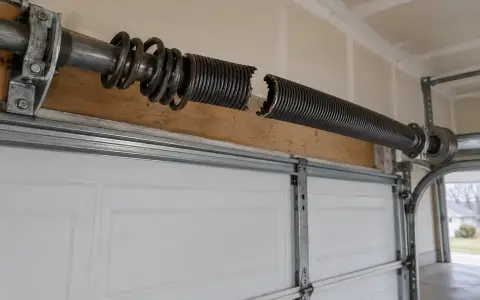 Broken spring
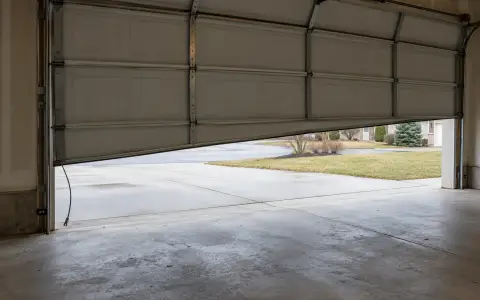 Snapped cable
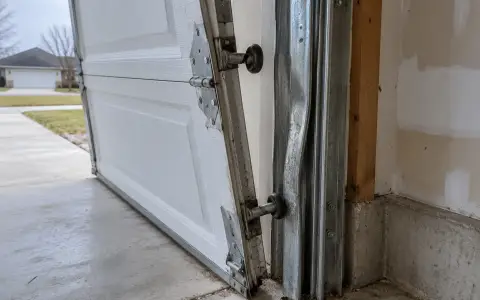 Off track
 Won't open
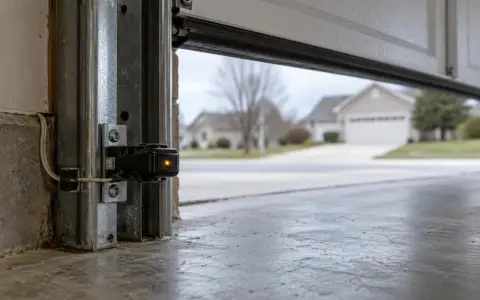 Won't close
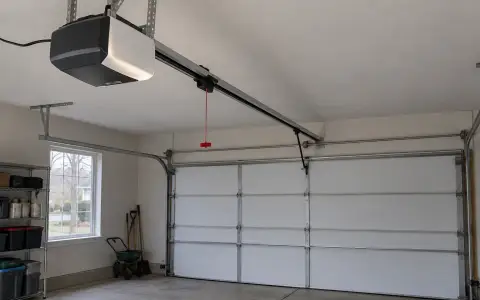 Opener runs, door doesn't
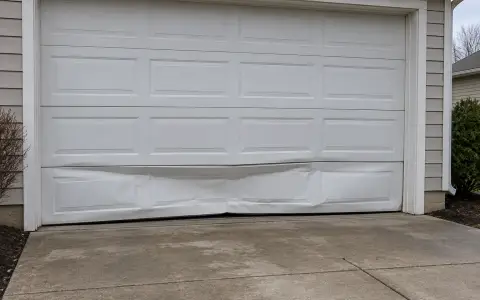 Car hit the door
What is different about Royalton
Public data on Royalton and the rules in force here, one point at a time, each with its source.
Openers older than the safety rule
The median home in Royalton dates from before 1959. Openers made for sale from January 1, 1991 must reverse on contact, and from 1993 they also need a second, external protection such as photo-eye sensors near the floor, so an opener that came with an older house may have neither. Look for sensors by the floor, and if there are none, run the reverse test before anything else.
Source: U.S. Census Bureau, American Community Survey 2019–2023 5-year estimates; CPSC Publication 523, non-reversing automatic garage door openers
Who has a garage door
Of the 526 households in Royalton, most live in detached houses, which is where a private garage door and opener usually are. Manufactured homes make up some of the rest, and those rarely have a sectional door.
Source: U.S. Census Bureau, American Community Survey 2019–2023 5-year estimates
Freezing nights
Royalton sees 93 days a year when the low reaches 32°F or colder, on average, at the nearest NOAA climate normals station, about 9 miles away. A door that will not lift on a frozen morning is often held by its bottom seal rather than by a fault in the opener, so check the seal first.
Hard cold
Royalton averages 26 days a year with a low at or below 20°F. Grease on rollers and the opener rail stiffens in that cold, the opener works harder to move the door, and a door that reverses only on the coldest mornings may need its force setting or its lubrication looked at rather than a new opener.
Humid summers
The July dew point in Royalton averages 69°F. Air that wet keeps steel springs, cables and hinges damp, so surface rust shows up on hardware sooner, and a wood door can swell enough to drag in the track. A spring with rust along the coils is worth having looked at before it breaks.
Source: PRISM Climate Group, 1991–2020 normals, July mean dew point
Who licenses the work in Illinois
We did not find a statewide license in Illinois that covers garage door work. Cities and counties may set their own rules, so check with yours, and ask for proof of insurance either way.
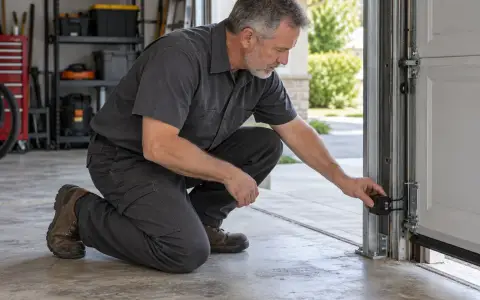
What you will be asked
- The door: sectional panels or one solid piece, one car wide or two, and roughly how old.
- The name on the opener’s motor housing, and roughly how old it is.
- Whether the door is open or closed right now, and whether a car is inside.
The line takes calls about repair, replacement and installation of garage doors and openers in Royalton, from owners and renters, at homes and commercial buildings. It does not take calls about buying parts, doors on box trucks or trailers, or a price over the phone without a visit; the price is named after someone has seen the door.
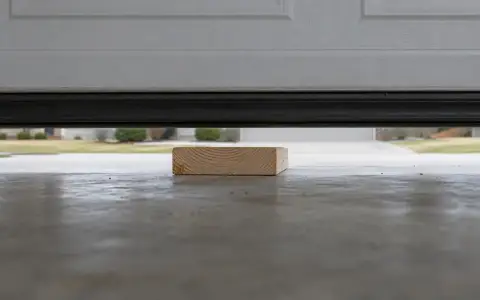 Reverse test
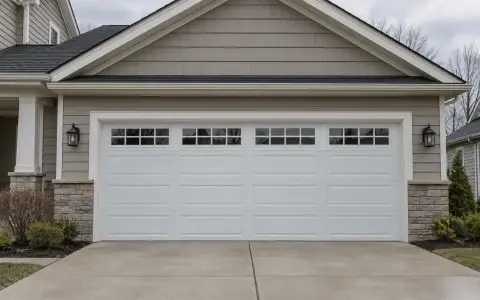 Door replacement
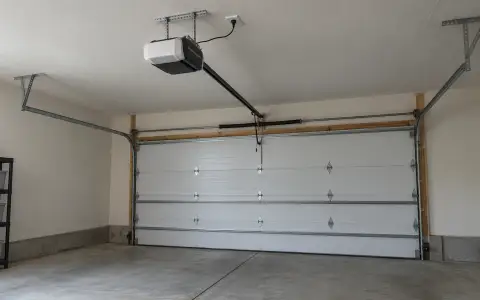 Opener replacement
 Wind-rated doors
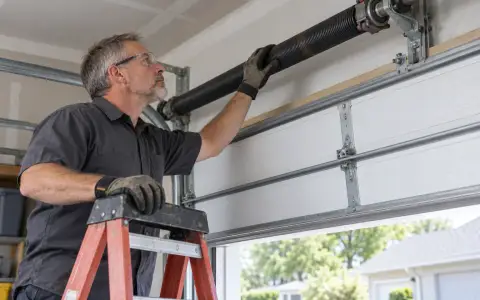 Before you call
Garage doors in Royalton: questions
How old are the garage doors and openers in Royalton?
Half the homes in Royalton were built before 1959, so an opener still original to the house can predate the 1993 rule that added photo-eye sensors. If the door has no sensors near the floor, the opener is older than the rule, and replacing it is the safer call.
Does cold weather affect garage doors in Royalton?
Yes. Royalton averages 93 days a year at or below 32°F, and on those mornings the bottom seal can freeze to the floor and stiff grease slows the rollers. Free the seal before running the opener; an opener straining against a frozen door can strip its gear.